


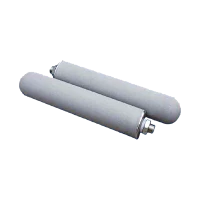


What is the Compatibility of a Stainless Steel Filter with Different Fluids?
As a trusted supplier of stainless steel filters, I've witnessed firsthand the diverse applications and challenges our products face when dealing with different fluids. Understanding the compatibility of stainless steel filters with various fluids is crucial for ensuring optimal performance, longevity, and safety in filtration systems. In this blog, I'll delve into the factors that influence compatibility, explore common fluid types, and provide insights to help you make informed decisions when selecting the right filter for your specific needs.
Factors Affecting Compatibility
Several factors determine the compatibility of a stainless steel filter with a particular fluid. These include the chemical composition of the fluid, temperature, pressure, and the specific grade of stainless steel used in the filter.


- Chemical Composition: Different fluids contain various chemicals, acids, bases, and solvents that can react with stainless steel. For example, strong acids like hydrochloric acid or sulfuric acid can corrode stainless steel over time, especially if the steel is not resistant to such aggressive chemicals. On the other hand, some fluids may contain substances that can cause pitting or stress corrosion cracking in stainless steel.
- Temperature: High temperatures can accelerate chemical reactions and increase the rate of corrosion. Stainless steel filters are generally designed to withstand a wide range of temperatures, but extreme heat can still affect their performance. It's important to choose a filter with a temperature rating that matches the operating conditions of your filtration system.
- Pressure: The pressure within a filtration system can also impact the compatibility of a stainless steel filter. High pressures can cause mechanical stress on the filter, potentially leading to deformation or failure. Make sure the filter is rated for the maximum pressure of your system to ensure reliable operation.
- Stainless Steel Grade: There are several grades of stainless steel, each with its own unique properties and resistance to corrosion. Common grades used in filter manufacturing include 304, 316, and 316L. 304 stainless steel is a general-purpose grade that offers good corrosion resistance in most environments. 316 stainless steel contains molybdenum, which enhances its resistance to pitting and crevice corrosion, making it suitable for applications involving chloride-containing fluids. 316L is a low-carbon version of 316 stainless steel, which further reduces the risk of corrosion in welded areas.
Compatibility with Common Fluid Types
Let's take a closer look at the compatibility of stainless steel filters with some common fluid types:
- Water: Stainless steel filters are highly compatible with water, whether it's tap water, distilled water, or seawater. They can effectively remove suspended solids, sediment, and other impurities from water, making it suitable for various applications such as drinking water purification, industrial water treatment, and swimming pool filtration. However, in the case of seawater, which contains high levels of chloride, it's recommended to use a filter made of 316 or 316L stainless steel to prevent corrosion.
- Oils and Lubricants: Stainless steel filters are commonly used in oil and lubricant filtration systems to remove contaminants and extend the life of the fluid. They can handle a wide range of oils, including mineral oils, synthetic oils, and hydraulic fluids. The compatibility of the filter with the oil depends on the chemical composition of the oil and the operating conditions. For example, some oils may contain additives that can react with stainless steel, so it's important to choose a filter that is compatible with the specific oil being used.
- Chemicals: When dealing with chemicals, it's crucial to select a stainless steel filter that is resistant to the specific chemicals involved. Some chemicals, such as acids, alkalis, and solvents, can be highly corrosive to stainless steel. In these cases, it may be necessary to use a filter made of a more corrosion-resistant grade of stainless steel or a specialty material. For example, if you're filtering a solution containing hydrochloric acid, a filter made of 316L stainless steel or a titanium alloy sintered filter element Titanium Alloy Sintered Filter Element may be more suitable.
- Food and Beverages: Stainless steel filters are widely used in the food and beverage industry due to their hygienic properties and compatibility with a variety of food and beverage products. They can effectively remove particles, bacteria, and other contaminants from liquids such as milk, juice, beer, and wine. The use of stainless steel filters helps to ensure the quality and safety of the final product. When selecting a filter for food and beverage applications, it's important to choose a filter that meets the relevant food safety standards.
Selecting the Right Filter
When choosing a stainless steel filter for your specific application, it's important to consider the following factors:
- Fluid Compatibility: As discussed earlier, the chemical composition of the fluid is a key factor in determining the compatibility of the filter. Make sure to choose a filter that is resistant to the specific chemicals and substances present in the fluid.
- Filtration Requirements: Consider the size and type of particles you need to remove from the fluid. Different filters have different filtration ratings, which indicate the size of the particles they can effectively capture. Choose a filter with a filtration rating that meets your specific requirements.
- Operating Conditions: Take into account the temperature, pressure, and flow rate of the filtration system. Make sure the filter is rated for the maximum temperature and pressure of your system to ensure reliable operation.
- Filter Design: There are various types of stainless steel filters available, including mesh filters, sintered filters, and pleated filters. Each type has its own advantages and disadvantages, so choose the one that best suits your application. For example, Stainless Steel Mesh Filter Element are ideal for removing large particles, while Stainless Steel Sintered Filter Element offer high filtration efficiency and are suitable for applications requiring fine particle removal.
Conclusion
Understanding the compatibility of a stainless steel filter with different fluids is essential for ensuring the effectiveness and longevity of your filtration system. By considering the chemical composition of the fluid, temperature, pressure, and the specific grade of stainless steel, you can select the right filter for your application. At our company, we offer a wide range of stainless steel filters that are designed to meet the diverse needs of our customers. If you have any questions or need assistance in selecting the right filter for your specific application, please don't hesitate to contact us. We're here to help you find the best filtration solution for your needs.
References
- ASM Handbook, Volume 13A: Corrosion: Fundamentals, Testing, and Protection. ASM International, 2003.
- Stainless Steel in the Food Industry. International Stainless Steel Forum, 2018.
- Filtration Handbook. Elsevier, 2012.