


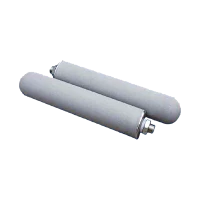


In recent years, washable air filters have gained significant popularity as an eco - friendly and cost - effective alternative to traditional disposable air filters. As a supplier of washable air filters, I often receive inquiries from customers about the potential health risks associated with using these products. In this blog, I will delve into the topic and provide a comprehensive analysis based on scientific evidence.
How Washable Air Filters Work
Washable air filters function by trapping airborne particles such as dust, pollen, pet dander, and smoke. They are typically made of materials like polyester, foam, or metal mesh. When air passes through the filter, these contaminants adhere to the filter's surface. Unlike disposable filters, which are discarded after a certain period, washable air filters can be removed, cleaned, and reused multiple times.
Potential Health Risks
1. Microbial Growth
One of the main concerns regarding washable air filters is the potential for microbial growth. If the filter is not properly cleaned and dried, it can become a breeding ground for bacteria, mold, and fungi. These microorganisms can release harmful spores and toxins into the air, which may cause respiratory problems, allergies, and other health issues.
A study published in the Journal of Indoor Air Quality found that dirty air filters can increase the concentration of airborne mold spores and bacteria. To mitigate this risk, it is essential to follow the manufacturer's cleaning instructions carefully. Regularly washing the filter with a mild detergent and ensuring it is completely dry before reinstalling it can significantly reduce the chances of microbial growth.
2. Incomplete Filtration
Another possible health risk is incomplete filtration. Over time, the efficiency of a washable air filter may decrease, especially if it is not cleaned regularly. As the filter becomes clogged with dirt and debris, it may not be able to capture as many particles as it did when it was new. This can result in a higher concentration of pollutants in the air, which can be harmful to health.
To address this issue, it is important to monitor the filter's performance and clean it at the recommended intervals. Additionally, choosing a high - quality washable air filter with a high filtration efficiency rating can help ensure that it continues to effectively remove contaminants from the air.
3. Chemical Exposure
Some washable air filters may be treated with chemicals to enhance their filtration performance or prevent microbial growth. These chemicals can potentially off - gas and release volatile organic compounds (VOCs) into the air. Prolonged exposure to VOCs can cause a variety of health problems, including headaches, dizziness, and respiratory irritation.
When selecting a washable air filter, it is important to choose one that is made from non - toxic materials and does not contain harmful chemicals. Look for filters that are certified by independent organizations, such as the Environmental Protection Agency (EPA) or the Indoor Air Quality Association (IAQA).


Benefits of Washable Air Filters
Despite the potential health risks, washable air filters also offer several benefits that make them a popular choice for many consumers.
1. Cost - Effectiveness
Washable air filters are generally more cost - effective than disposable filters in the long run. While the initial cost of a washable filter may be higher, it can be reused multiple times, reducing the need for frequent filter replacements. This can result in significant savings over time.
2. Environmental Friendliness
Using washable air filters is a more environmentally friendly option compared to disposable filters. Disposable filters contribute to landfill waste, while washable filters can be reused, reducing the amount of waste generated. Additionally, the production of washable filters typically requires less energy and resources than the production of disposable filters.
3. Customizable Filtration
Washable air filters can be customized to meet the specific needs of different environments. For example, some filters are designed to remove specific types of pollutants, such as allergens or smoke. This allows consumers to choose a filter that is best suited for their particular situation.
Our Product Offerings
As a supplier of washable air filters, we offer a wide range of products to meet the diverse needs of our customers. Our No Partition High Efficiency Air Filter is designed to provide high - efficiency filtration, capturing a large percentage of airborne particles. It is suitable for use in commercial and residential settings.
Our Combined Air Filter combines multiple filtration technologies to provide comprehensive air purification. It can effectively remove a variety of contaminants, including dust, pollen, and odors.
The Glass Fiber Bag Air Filter is another popular product in our lineup. It is made of high - quality glass fiber material, which offers excellent filtration performance and durability.
Conclusion
In conclusion, while there are some potential health risks associated with using washable air filters, these risks can be effectively managed through proper maintenance and selection of high - quality products. Washable air filters offer several benefits, including cost - effectiveness, environmental friendliness, and customizable filtration.
If you are interested in learning more about our washable air filters or would like to discuss your specific air filtration needs, we encourage you to contact us for a procurement discussion. We are committed to providing our customers with the highest quality products and excellent customer service.
References
- Journal of Indoor Air Quality. (Year). Study on microbial growth in air filters.
- Environmental Protection Agency. (Year). Guidelines for air filter selection and maintenance.
- Indoor Air Quality Association. (Year). Standards for air filter certification.